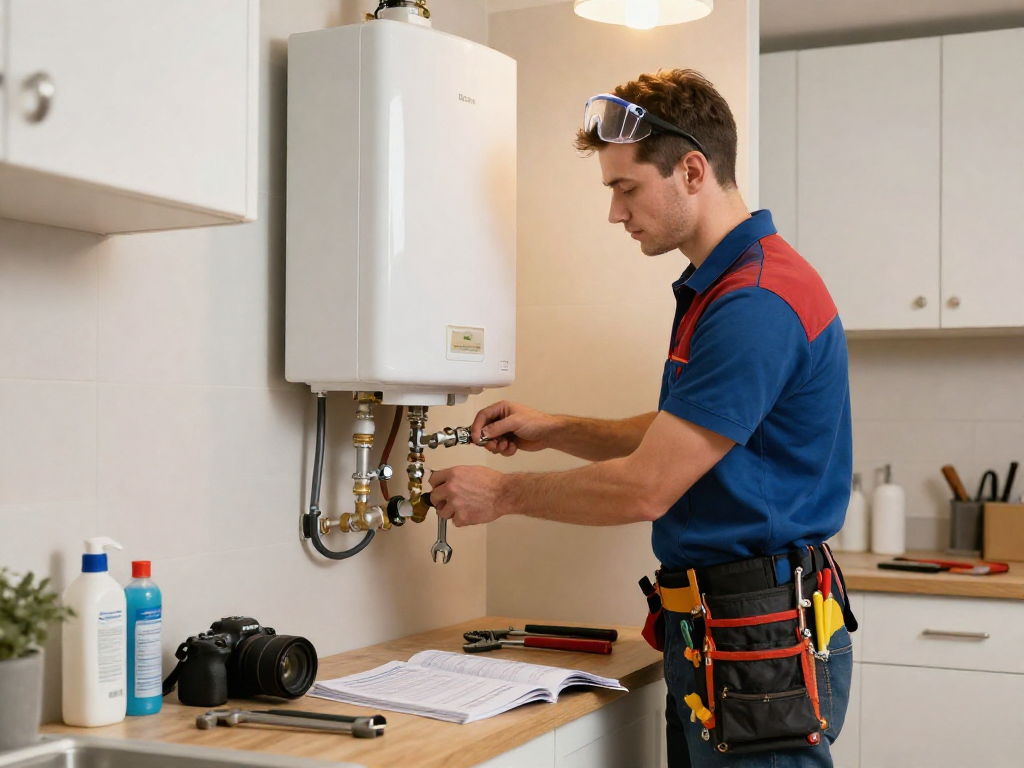
Understanding Water Heater Systems
Water heaters are essential appliances in modern homes, providing hot water for various daily needs. Understanding the different types of water heater systems, their components, and how they function is crucial for homeowners in Fort Worth, Texas, especially when it comes to water heater repair Fort Worth. Whether you're considering repairs or seeking to extend the life of your unit, knowledge can empower you to make informed decisions.
Types of Water Heaters Available
There are several types of water heaters available, each designed to meet specific needs and preferences:
- Tank Water Heaters: These are the most common type, storing hot water in a tank. They come in various sizes and can use electricity, natural gas, or propane. The tank capacity typically ranges from 20 to 80 gallons.
- Tankless Water Heaters: Also known as on-demand water heaters, these units heat water directly without a storage tank. They provide hot water only as needed, which can lead to energy savings.
- Heat Pump Water Heaters: Utilizing electricity to move heat from the air or ground to heat water, these systems are more energy-efficient but require more space and are best suited for warmer climates.
- Solar Water Heaters: These systems use solar panels to capture energy from the sun for heating water. They can significantly reduce utility bills but require an initial investment and adequate sunny conditions.
Common Components of a Water Heater
A water heater consists of several key components that work together to deliver hot water:
- Heating Element: In electric heaters, this is an internal component that heats water, while gas heaters utilize a burner.
- Thermostat: This device regulates the water temperature, ensuring that it remains at a set level.
- Tank: In tank models, this is where hot water is stored until needed.
- Pressure Relief Valve: This safety feature prevents the tank from building up excessive pressure, which could lead to leaks or explosions.
- Insulation: Surrounding the tank, insulation helps maintain the water temperature and reduce energy consumption.
How Water Heaters Work Efficiently
Efficiency is vital for minimizing energy costs associated with water heating. Here are some tips for working efficiently:
- Regular maintenance, such as flushing the tank to remove sediment, enhances efficiency and lifespan.
- Adjusting the thermostat to 120°F can save energy while still providing adequate hot water for most households.
- Ensuring proper insulation around pipes helps retain heat and minimize heat loss.
Signs You Need Water Heater Repair
Identifying issues with your water heater early can prevent costly repairs or replacements. Homeowners should be aware of various signs that indicate a need for professional attention.
Identifying Performance Issues
There are some common performance issues to look out for:
- Insufficient hot water for daily needs.
- Water that is too hot or fluctuates in temperature.
- Strange noises, such as popping or rumbling, indicating sediment buildup.
- Leaks around the unit, which can signify serious problems.
Common Symptoms of Water Heater Failure
Some specific symptoms that may indicate failure include:
- Discolored water: This may indicate rust in the tank or pipes.
- Unpleasant odors: A foul smell may suggest bacteria growth in the tank.
- Increased utility bills: A sudden spike can indicate inefficiency.
When to Call a Professional Repair Service
If you notice any of these signs, it may be time to contact a professional for water heater repair. Delaying necessary repairs can lead to further damage and higher costs down the line. It's best to consult a certified technician for a thorough inspection.
The Repair Process Explained
Understanding the repair process can help ease concerns when facing issues with a water heater. Here’s what to expect when you call for service.
Initial Inspection and Diagnosis Steps
A reputable technician will begin with an inspection of your water heater. This may include:
- Checking the power supply and thermostat settings.
- Examining the heating elements for functionality.
- Looking for visible leaks or corrosion.
Common Repairs and Their Cost Implications
The cost of repairs can vary greatly depending on the issue. Common repairs include:
- Replacing the heating element: Typically costs $200 to $300.
- Fixing leaks: Can range from $150 to $500 depending on the severity.
- Flushing the tank: Usually around $100 to $150.
Safety Precautions During Repairs
Safety is paramount during repairs. Technicians should follow standard safety measures, including:
- Turning off the power supply to avoid electrical hazards.
- Using proper personal protective equipment.
- Following local codes and regulations while performing repairs.
Preventative Maintenance Tips
Taking proactive steps can extend the lifespan of your water heater and reduce the likelihood of repairs.
Routine Checks for Homeowners
Homeowners should perform routine checks, such as:
- Inspecting for leaks or corrosion.
- Testing the pressure relief valve annually.
- Checking the temperature setting and adjusting if necessary.
How to Extend Your Water Heater’s Lifespan
To prolong your unit's life, consider the following:
- Flushing the tank annually to remove sediment buildup.
- Insulating the tank and pipes to minimize heat loss.
- Scheduling professional maintenance every couple of years.
DIY Maintenance vs. Professional Services
While some maintenance tasks can be performed by homeowners, others require professional expertise. DIY flushing and inspections are manageable, but complex issues, such as electrical or gas repairs, should be left to qualified technicians.
Future Trends in Water Heating Technology
The water heating industry is evolving, with innovative technologies emerging to enhance efficiency and user experience.
Innovations in Energy Efficiency
As energy costs rise, efficiency has become a focal point in water heater design. Newer models utilize advanced insulation materials and smart technologies to optimize performance and minimize energy consumption.
Smart Water Heater Solutions
Smart water heaters offer homeowners more control over their water usage. Features may include:
- Remote access via smartphone apps.
- Usage tracking and reporting.
- Automatic adjustments based on user habits.
Predicted Developments for 2026 and Beyond
Looking ahead to 2026, we expect to see further advancements, such as:
- Increased integration of renewable energy sources.
- More robust smart home compatibility.
- Enhanced sustainability practices in manufacturing and disposal.
What are the signs my water heater needs repair?
Common signs include insufficient hot water, unusual noises from the unit, discolored or foul-smelling water, and visible leaks. Monitoring these symptoms can prevent further damage and ensure a long-lasting unit.
How can I maintain my water heater efficiently?
Regular maintenance is key. Flush the tank annually, check the temperature setting, and ensure the unit is properly insulated. Consulting a professional for periodic inspections is also advisable.
What should I expect during a water heater repair service?
Expect an initial inspection, diagnosis of the problem, discussion of repair options, and a transparent quote. A qualified technician will explain the process and timeline.
How long can I expect my water heater to last?
Generally, tank water heaters last 10-15 years, while tankless models can potentially last over 20 years with proper maintenance. Regular inspections can help you gauge the health of your unit.
What are the benefits of upgrading to a new water heater?
Upgrading offers several benefits: enhanced energy efficiency, improved performance, modern features like smart technology, and potentially lower utility bills. It may also provide peace of mind knowing that you have a reliable unit.